
-
 Written By:
Alex Herrera
Written By:
Alex Herrera
-
 Edited By:
Phyllis Rodriguez, PMHNP-BC
Edited By:
Phyllis Rodriguez, PMHNP-BC
-
 Clinically Reviewed By:
Dr. Ash Bhatt, MD, MRO
Clinically Reviewed By:
Dr. Ash Bhatt, MD, MRO
Key Takeaways
- You don’t have to sacrifice performance to recover: With a medically supervised detox program, athletes can heal while protecting their strength, focus, and conditioning.
- Most substance issues in athletes start with real problems, not bad choices: Injuries, pain, pressure, and sleep issues often lead to dependence, and that path is treatable.
- Withdrawal can be managed without crashing your body or mind: Medically guided detox can reduce fatigue, brain fog, and muscle loss when it’s done the right way.
- Returning to training should be gradual and supported: A phased comeback prevents relapse and helps athletes rebuild confidence safely.
Performance-Focused Recovery Starts Here
If you’re an elite athlete or high-level performer, the idea of stepping away for recovery can feel overwhelming. And, the fear of losing your competitive edge, your conditioning, or your place in the lineup is completely understandable, and it keeps so many people from asking for the help they truly deserve.
But here’s what matters most: you don’t have to choose between your career and your health.
Specialized athlete recovery programs exist precisely for people like you, offering medically supervised withdrawal care that is designed around your performance needs, not in spite of them.
Why Standard Recovery Programs Often Fail High-Performance Individuals
Most conventional treatment programs were built for the general population, and while they do important work, they simply weren’t designed with the unique demands of high-performance individuals in mind.
When you’re someone whose livelihood depends on physical conditioning, mental sharpness, and peak-level output, a one-size-fits-all approach can feel, and often is, inadequate.
Standard detox protocols may trigger extended fatigue or muscle weakness that no athlete can afford, and rigid residential schedules rarely accommodate training calendars or competition commitments.
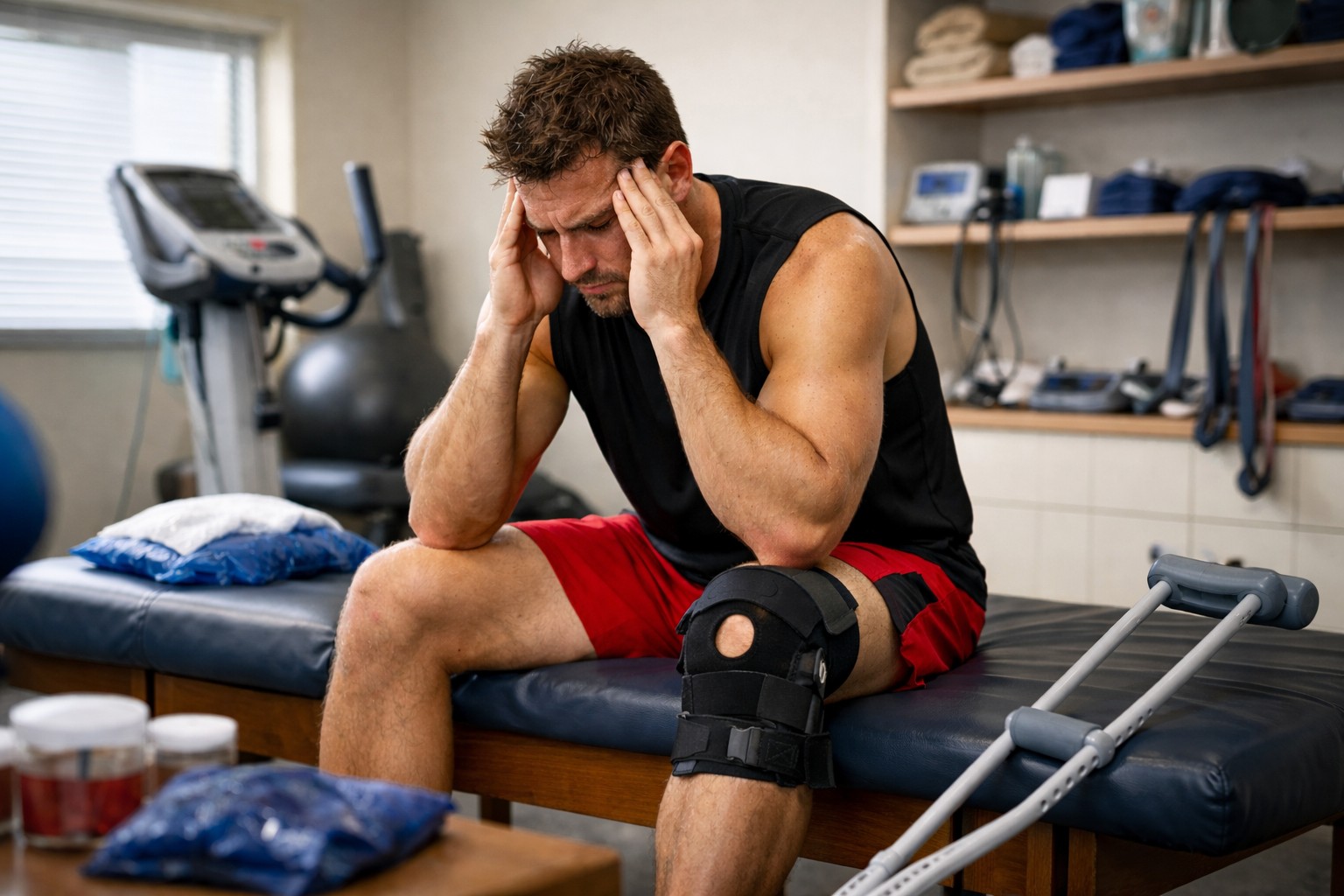
Beyond the physical gaps, there’s an emotional disconnect too: the identity pressures, the fear of public scrutiny, and the weight of career stakes are challenges that most programs simply don’t know how to address.
That’s exactly why performance-focused recovery exists, such as residential rehab program, which allows athletes to recover in a structured, medically supported environment designed for long-term success.
How Substance Dependence Actually Happens in Athletes
Substance dependence doesn’t always look the way people expect it to, especially among athletes. The path toward it is often paved with injury, pressure, and the relentless pursuit of performance. Understanding which substances most commonly affect performers is the first step toward finding the right kind of care.
1: Alcohol
Alcohol often creeps in as a way to decompress after intense training, manage the emotional weight of competition, or cope with setbacks, and in many team cultures, it’s quietly encouraged.
For athletes in alcohol withdrawal, careful attention must be paid to hydration, electrolyte balance, nutritional support to prevent muscle loss, and cardiovascular monitoring, all while addressing the performance-related triggers that made alcohol appealing in the first place.
2: Pain Medication & Injury-Related Dependence
This is one of the most common and most misunderstood paths into dependence for athletes. Prescription medication starts as a necessary response to a real injury but quietly become something much harder to walk away from, especially when the pressure to get back into competition never lets up. Recovery here requires a thoughtful approach that honors the fact that the pain may still be real, while building a path forward that doesn’t rely on opioids. That means addressing:
- Distinguishing withdrawal discomfort from legitimate, ongoing pain
- Integrating physical therapy, targeted injections, and non-opioid pain management
- Treating the underlying musculoskeletal issues so pain doesn’t keep pulling you back
3: Stimulants & Sleep Aids
When your schedule demands constant output and your body isn’t cooperating, it’s easy to understand why an athlete might reach for something to stay sharp or finally get some sleep. The challenge is that withdrawal from these substances can bring intense fatigue and cognitive fog, the very things a performer can least afford. Specialized recovery protocols work to gently restore your body’s natural rhythms, blending sleep medicine expertise with performance psychology to get you back on track without a harsh crash.
How Medical Detox Actually Works for Athletes
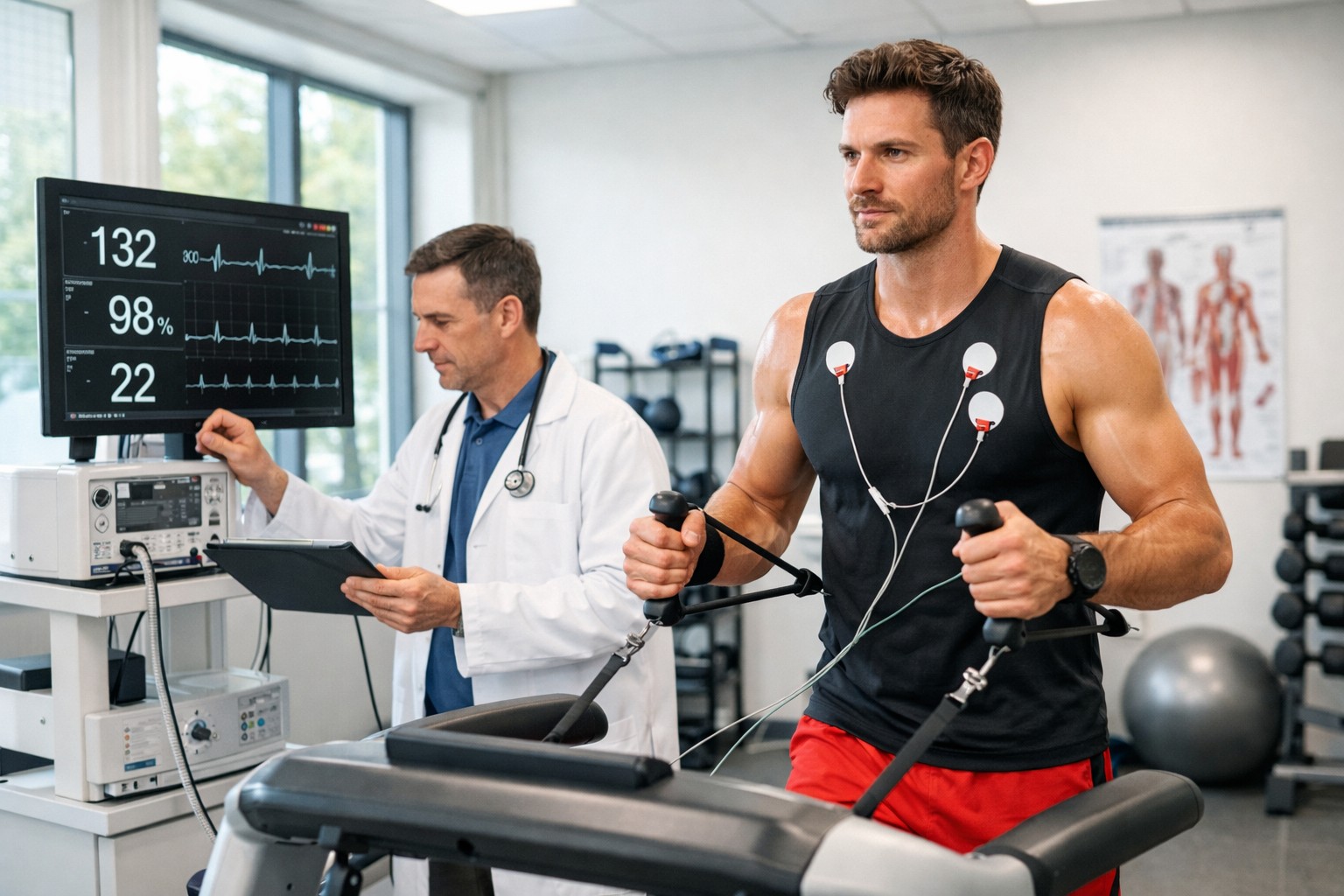
At the heart of any good athlete recovery program is medically supervised medically supervised detox that doesn’t treat your performance as an afterthought. Our medical teams understand that your body is different, higher metabolic rates, greater muscle mass, cardiovascular systems built for exertion, and every decision during stabilization is made with that in mind. Symptom management is carefully tailored so that you’re comfortable without being sedated, strong without being pushed too hard. Specifically, this involves:
- Medications chosen to ease withdrawal without causing muscle weakness or mental fog
- Continuous monitoring of vital signs with a focus on how they affect your ability to stay active
- Regular assessments of strength, endurance, and cognitive sharpness throughout the process
A personalized timeline that bends around your fitness levels and performance goals, not the other way aroun.
The Role Nutrition Plays in an Athlete’s Recovery
Your body worked hard to get where it is, and withdrawal shouldn’t undo that work. Recovery nutrition for athletes is far more than just eating well, it’s a precise, intentional strategy designed to protect your conditioning while your system recalibrates. Here’s what that looks like in practice:
- Protein-rich nutrition to preserve muscle mass even when training intensity drops
- Strategic carbohydrate timing to keep your energy steady and support any continued movement
- Careful electrolyte and micronutrient monitoring, especially sodium, potassium, and magnesium, to prevent the imbalances that withdrawal and dehydration can cause
- Hydration strategies that go beyond water, timed and balanced to support both detoxification and physical recovery
Managing Fatigue, Pain & Physical Limitations Safely
We understand that for you, being physically capable isn’t just a preference, it’s tied to who you are. That’s why managing fatigue and pain during withdrawal isn’t about shutting everything down; it’s about finding the right balance
Specialized programs use graded activity approaches that let you keep moving in a way that’s safe for your current state, with enhanced warm-ups, reduced high-risk activities, and clear boundaries around when to rest. Injury prevention is built into every step, because the last thing anyone wants is for recovery to set you back even further.
Throughout this process, medical teams stay close, adjusting your plan based on how your body is actually responding, not just how it’s supposed to.
Mental Focus, Stress Regulation & Performance Psychology
Recovery isn’t only a physical journey, and for athletes, the mental side can feel just as daunting. Withdrawal often affects the very things you rely on most: your focus, your reaction time, your ability to stay calm under pressure. Acknowledging that is the first step, and the programs designed for performers take it seriously.
Through trauma-informed care and sport-specific psychology, these programs help you work through not just the symptoms, but the deeper stress and identity pressures that may have contributed to substance use in the first place. Common areas of focus include:
- Cognitive-behavioral techniques tailored to performance anxiety
- Mindfulness and biofeedback training to rebuild your self-regulation
- Trauma-informed support for past injuries, difficult coaching experiences, or other life stressors
Privacy Is a Non-Negotiable for Athletes in Recovery
If the thought of people finding out about your recovery is what’s holding you back, you’re not alone, and that concern is completely valid.
For athletes and public figures, privacy isn’t a luxury; it’s a necessity. The right recovery program will protect that without making you feel like you’re hiding. We at Legacy Healing Los Angeles, have privacy program that promises:
- Discreet facilities with no public-facing signage or advertising
- Private accommodations and secure communication channels
- Flexible scheduling that works around your public commitments
- Career continuity planning, from the very first day, so your professional standing is protected
Returning to Training, Rehearsals, or Competition Safely
Getting back to what you love is the goal, but doing it safely and sustainably matters just as much. The transition back to full performance isn’t something that should be rushed, and the best programs build a clear, encouraging roadmap to get you there. Performance reintegration typically moves through these stages:
Phase 1: Individual skill work and low-intensity conditioning
Phase 2: Team practices or group rehearsals
Phase 3: Lower-stakes events and performances
Phase 4: Full competitive or performance schedules
Along the way, step-down care keeps you supported, with regular check-ins, mental performance coaching, and relapse prevention planning that specifically accounts for the triggers that come with competitive life.
A Performance-First Approach at Legacy Healing Center LA
At Legacy Healing Center LA, we believe that your drive, your discipline, and your love of performance are not problems to be managed, they’re strengths to be honored throughout your recovery.
Our programs are built around that belief, and every member of our team is committed to helping you heal without asking you to leave your identity at the door. Here’s what that looks like with us:
- Medically supervised withdrawal support and Sober Living programs led by physicians who understand both addiction and sports medicine.
- Individualized care plans for men, women, couples, or families, to cater to the unique situation, goals, and schedule.
- Complete privacy and discretion – because your confidence matters to us as much as your recovery
- An integrated team bringing together performance psychology, sports nutrition, physical therapy, and addiction care under one roof
Take the Next Step Toward Performance-Focused Recovery
Recovery doesn’t have to mean giving up on everything you’ve worked for. In fact, for many athletes, getting the right support means coming back stronger, with clearer focus, better sleep, and a body that’s finally free from the weight of dependence.
If you’re ready to take that first step, or even if you’re just not sure yet, Legacy Healing Center is here for you. Our admissions team is available around the clock, and every conversation starts with compassion, not judgment.
Contact us 24X7 at t (800) 808-4570