

Luxury Opiate Addiction Treatment in Los Angeles
Opiate addiction can look like pain management, until it quietly becomes survival. Luxury opiate addiction treatment offers a private, medically advanced path to recovery for people who need discretion, safety, and clinically precise care, without sacrificing comfort or dignity.
At Legacy Healing Center Los Angeles, our programs are built for individuals who expect exceptional clinical standards, confidentiality, and a treatment experience designed for modern life. Under the guidance of Dr. Ash Bhatt, a quintuple board-certified addiction expert, we deliver evidence-based care for opioid use disorder (OUD) that restores stability, clarity, and long-term resilience.

Opiate Addiction: Private, Individualized Treatment in LA
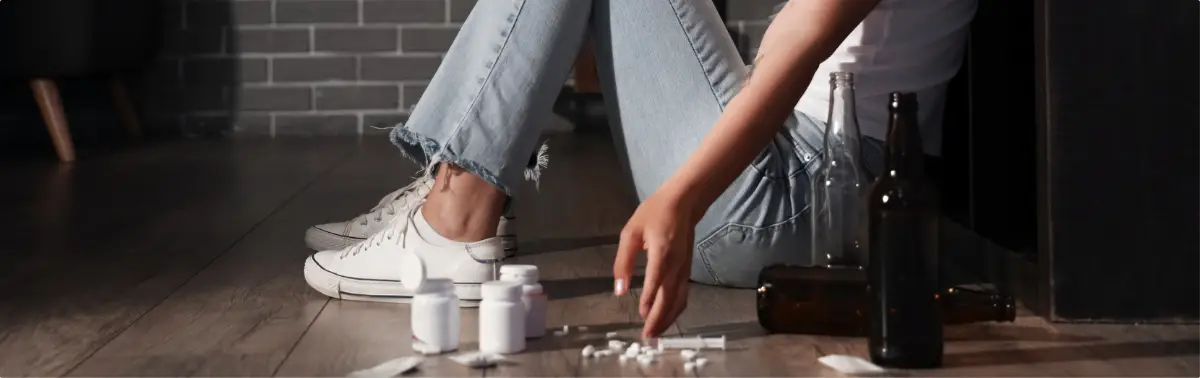
Opiate addiction affects every demographic, professionals, parents, executives, creatives, and people whose lives appear “high-functioning.” Many individuals delay treatment because they don’t identify with outdated stereotypes. But opioid addiction is a progressive medical condition, and the sooner it’s treated, the better the outcome.
Legacy Healing Center Los Angeles provides:
- A discreet environment designed for privacy and high-responsibility lives
- Comprehensive medical detox with comfort-focused stabilization
- Dual-diagnosis therapy for anxiety, trauma, burnout, depression, and chronic stress
- Evidence-based medication options proven to reduce relapse and overdose risk
- Upscale accommodations that support nervous system recovery, not distraction
Luxury in this context is not indulgence, it’s clinical precision paired with privacy, so treatment can happen with minimal disruption and maximum effectiveness.
Understanding Opioid Use Disorder (OUD)
Opioid use disorder is a medically recognized brain condition involving changes to reward circuitry, stress regulation, and impulse control. Over time, the brain begins to treat opioids as essential, creating compulsive use even when consequences become severe. The National Institute on Drug Abuse emphasizes that OUD is chronic but treatable, and that FDA-approved medications are highly effective when paired with behavioral care.
A major clinical reality: withdrawal is not the same as recovery. Detox clears the body, but long-term healing requires rebuilding the brain’s ability to regulate emotion, sleep, decision-making, and stress without opioids.
Why Opiates Are So Addictive
Opiates hijack survival biology. They flood the brain with relief, reducing physical pain, emotional distress, and anxiety in a way that feels immediate and reliable. But repeated exposure forces the brain to adapt: tolerance rises, natural dopamine drops, and the body learns to depend on opioids just to feel “normal.”
Soon the goal shifts from euphoria to avoidance of withdrawal, a powerful sign that addiction has moved from choice to physiology. For many people, addiction is not about wanting to get high; it’s about trying not to crash.
“Opioids don’t just take away pain, they take away time. Suddenly weeks vanish, your priorities shrink, your world narrows, and you wake up realizing the drug has been living your life for you. Treatment is where we give your life back, one honest day at a time.”
Legacy Healing Center physician, Addiction Medicine
The Progressive Cycle of Opiate Addiction
Clinicians often describe opioid addiction as a repeating loop:
- Relief or reward (pain reduction, calm, emotional quiet)
- Tolerance and escalation (more needed, more often)
- Withdrawal-driven use (using primarily to function)
- Collapse of stability (sleep, mood, work, relationships, health)
Luxury treatment breaks this cycle through medically managed stabilization and a structured plan that addresses the real drivers, pain, trauma, stress, insomnia, depression, anxiety, and burnout.
The 3 Most Abused Forms of Opiates (and How Treatment Differs)
Heroin Addiction
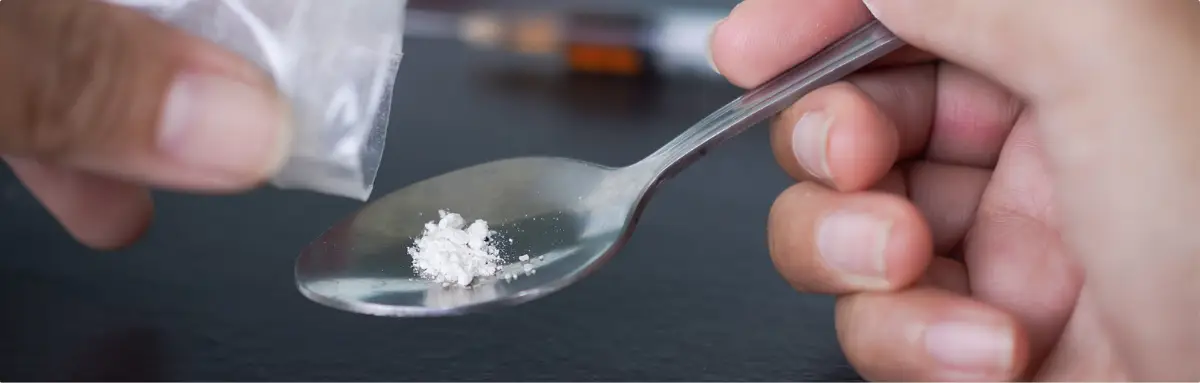
Heroin is a fast-acting illicit opioid often used by injection, smoking, or snorting. It tends to create a strong reinforcement cycle because effects can arrive quickly and fade quickly, leading to repeated dosing.
Addiction dynamics:
- Rapid onset and strong psychological reinforcement
- Withdrawal often begins within 8–24 hours after last use
- Symptoms may last 4–10 days for many people with short-acting opioids
Treatment considerations:
Heroin treatment often responds well to medication-supported detox and ongoing MAT (Medication-Assisted Treatment) such as buprenorphine or methadone, paired with trauma-informed therapy and relapse prevention planning.
Prescription Opioid Addiction (Oxycodone, Hydrocodone, Morphine)
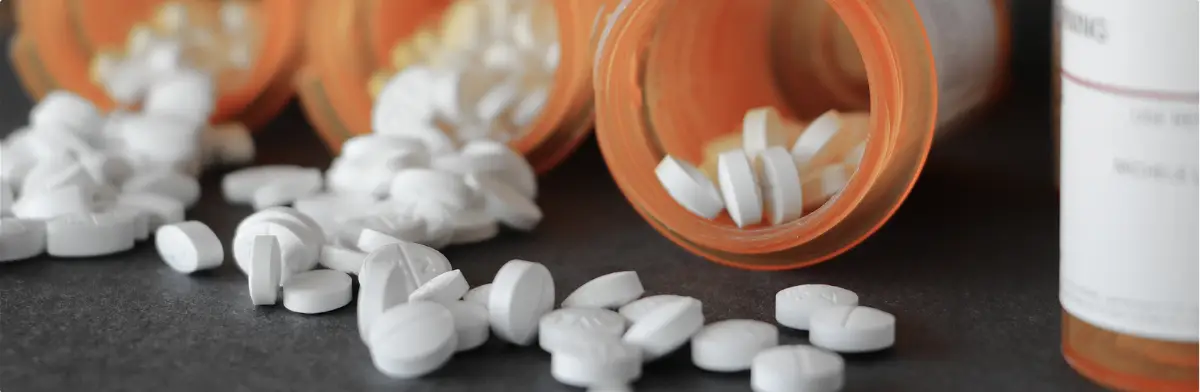
Prescription opioids may start as legitimate pain treatment, then gradually become a dependency, especially when tolerance increases, prescriptions escalate, or use continues long after injury recovery.
Addiction dynamics:
- Often tied to chronic pain, injury, surgery, or emotional stress
- People may not recognize addiction because use began “medically”
- Withdrawal may begin in a similar window to other short-acting opioids (commonly within 8–24 hours)
Treatment considerations:
Prescription opioid addiction frequently requires both addiction treatment and pain-informed care, including non-opioid pain strategies, nervous system stabilization, and therapy addressing fear, stress, or trauma that keeps pain amplified. MAT options like buprenorphine, methadone, or naltrexone are evidence-based and widely recommended.
Fentanyl Addiction
Fentanyl is a synthetic opioid originally used medically for severe pain and opioid-tolerant patients, but it has become a dominant driver of overdose risk in the illicit drug supply.
Even when someone believes they’re using heroin or pills, fentanyl may be present, raising overdose risk dramatically.
Addiction dynamics:
- Extremely potent and often used more frequently due to short perceived “effect window”
- Can complicate withdrawal and medication initiation
- Fentanyl’s lipophilic properties may allow it to linger in the body, increasing risk of buprenorphine-precipitated withdrawal if started too soon
Treatment considerations:
Fentanyl treatment requires medical teams experienced in careful induction and stabilization. Evidence still strongly supports buprenorphine and methadone, but timing and symptom management may need more nuance due to precipitated withdrawal risk.
“Fentanyl doesn’t negotiate. It turns dependency into urgency, and urgency into danger. But medicine still works, when it’s delivered with skill, timing, and respect for what the body is fighting through.”
, Legacy Healing Center physician, Addiction Medicine
What Defines Luxury Opiate Addiction Treatment?
Luxury opiate treatment is not about excess, it’s about privacy, safety, and individualized clinical strategy. At Legacy Healing Center Los Angeles, this includes:- Medically supervised detox designed to reduce distress and risk
- Evidence-based MAT options (methadone, buprenorphine, naltrexone)
- Behavioral therapies that treat relapse risk at the brain and nervous system level
- Dual-diagnosis treatment for trauma, anxiety, depression, and chronic stress
- A discreet setting that protects reputation, career continuity, and family privacy
When to Seek Opiate Addiction Treatment
If you’ve experienced withdrawal, loss of control, escalating doses, secretive use, overdoses, or life disruption, treatment is warranted. If opioids are shaping your schedule, your mood, your finances, or your ability to feel normal, your body is already signaling dependence. Opiate addiction is not a moral failure. It’s a treatable condition, and real recovery is not just stopping opioids. It’s restoring your brain’s ability to live without them.Luxury Opiate Addiction Treatment at Legacy Healing Center Los Angeles
Legacy Healing Center Los Angeles offers a discreet, upscale, evidence-based path forward for opioid addiction, designed for people who expect excellence, privacy, and real medical integrity. Under Dr. Ash Bhatt’s leadership, we combine advanced clinical care with individualized therapy and luxury-level stabilization to help you reclaim your life with clarity and control. Recovery isn’t about stepping away from life. It’s about returning to it, stronger, steadier, and finally free.You Deserve Exceptional Care
Let our team handle the details so you can focus on healing. We accept most major insurance plans and payment methods—reach out anytime for instant coverage verification.
Your information is kept private