
Luxury Prescription Medication Addiction Treatment in Los Angeles
Prescription medication addiction often begins quietly, inside a legitimate treatment plan, a stressful season, or a single refill that turns into a routine. Luxury prescription medication addiction treatment offers a discreet, medically advanced path to recovery for people who need privacy, precision, and a plan that protects their life, not disrupts it.


Jul 28, 2026
At Legacy Healing Center Los Angeles, we provide upscale, evidence-based care designed by Dr. Ash Bhatt, a quintuple board-certified addiction expert, for individuals who expect clinical excellence and total confidentiality. Many of our clients never saw themselves as “the type” to develop an addiction, until a prescription became something they couldn’t safely stop.
Prescription Medication Addiction: Private, Individualized Treatment in LA
Prescription medication addiction doesn’t just affect people with a history of substance use. It often develops in high-functioning adults, professionals, parents, and older adults who have never broken a rule in their life. The difference is access: prescription drugs arrive through a system built on trust, pain relief, anxiety relief, focus, sleep.
Many people are stunned by how quickly things change. A dose that once helped begins to feel necessary. The body adapts. The brain learns the shortcut. And before long, stopping creates withdrawal, panic, insomnia, or emotional collapse, making continued use feel like survival.
Legacy Healing Center Los Angeles offers:
- Discreet, confidential care designed for high-visibility lives
- Medically supervised detox and stabilization in a private setting
- Dual-diagnosis treatment for anxiety, trauma, burnout, depression, and chronic stress
- Evidence-based medication strategies when appropriate, especially for opioid dependence
- Luxury-level comfort and privacy without compromising medical quality
This page is designed to complement our opiate addiction treatment resource by focusing on the broader, and often overlooked, reality of prescription drug dependency, including substances that aren’t opioids at all.
Understanding Prescription Drug Use Disorder
Prescription drug addiction occurs when the brain begins to rely on a medication beyond its intended medical purpose, whether that starts through misuse or through physical dependence while following directions. The National Institute on Drug Abuse identifies three major classes of prescription drugs commonly misused: opioids, depressants (like benzodiazepines), and stimulants.
The risk isn’t always about getting high. In prescription addiction, the motivation is often different:
- “I need this to sleep.”
- “I need this to function.”
- “I can’t face the day without it.”
- “I tried to stop and I couldn’t.”
Prescription drug addiction is especially dangerous because it can hide behind routine, medical legitimacy, and quiet suffering, until consequences escalate.
Why Prescription Medication Addiction Develops Differently
Unlike illicit drug addiction, prescription medication addiction often forms through gradual brain adaptation, not reckless behavior. People can develop dependence while taking medications exactly as prescribed, especially with longer-term use.
Several factors make prescription addiction unique:
1) The trust factor:
The medication comes from a doctor, pharmacy, or hospital. It feels safe. That can delay recognition of harm.
2) The slow shift:
The change can be incremental, one extra pill during a stressful week, then a second, then an early refill. By the time the person notices, withdrawal may already be present.
3) The “responsible person” trap:
Many high-achieving people assume addiction can’t happen to them. They interpret withdrawal symptoms as anxiety returning, pain returning, or insomnia returning, when it may actually be physiological dependence.
“Prescription addiction is the most convincing kind of addiction, because it pretends to be medicine the whole way down. People don’t fall apart overnight. They slowly stop being able to live without something they once used responsibly.”
Dr. Ash Bhatt, Legacy Healing Center Chief Medical Officer
The Progressive Cycle of Prescription Medication Addiction
Clinicians often see a familiar progression:
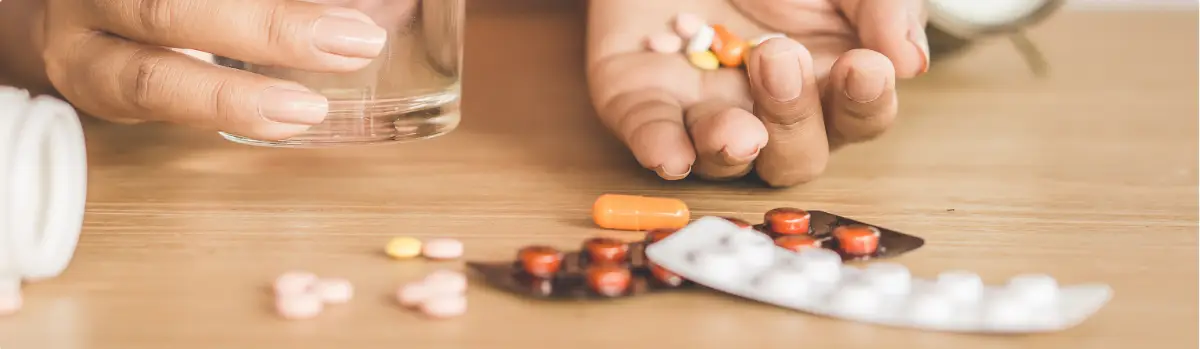
Symptom Relief
Prescription medication addiction often begins with a very understandable goal: feeling better.
In this first stage, the medication reliably reduces distress—whether that distress is physical pain, anxiety, insomnia, or emotional discomfort. The brain quickly learns to associate the medication with relief, and this creates a powerful reinforcement loop. Even when taken exactly as prescribed, some individuals notice that the medication doesn’t just reduce symptoms, it improves mood, calms fear, or creates a sense of control. Clinically, this stage is defined by psychological reinforcement: the person starts to trust the medication as their primary coping tool, and the idea of going without it begins to feel uncomfortable or risky.

Tolerance and Routine
Over time, the brain adapts to repeated exposure, and the original dose may no longer produce the same effect. This is known as tolerance. At this stage, people often find themselves taking the medication earlier, more frequently, or in slightly higher amounts, sometimes subtly, sometimes intentionally.
What began as occasional or symptom-based use becomes a predictable routine. Clinically, we see the medication shift from a targeted treatment to a behavioral habit that structures the day. Patients may also begin planning around the next dose, feeling uneasy if pills run low, or thinking about the medication more often than they expect. Stage 2 is where use becomes increasingly automatic and harder to control, even if the person still believes it is “necessary” or “managed.”

Dependence and Withdrawal Avoidance
In the final stage, the body has adjusted to the medication to the point that it now expects it to function normally—this is physical dependence. If the medication is reduced or missed, withdrawal symptoms may appear, such as agitation, nausea, insomnia, increased pain sensitivity, anxiety, tremors, or overwhelming discomfort. Importantly, many patients in this stage are no longer taking the medication to feel good—they’re taking it to avoid feeling terrible. From a medical standpoint, this stage is defined by compulsion and physiologic necessity: the medication becomes tied not only to relief but to stability.
The fear of withdrawal can drive ongoing use, even when the person recognizes negative consequences. This is the point where professional treatment, medically supervised tapering, and comprehensive addiction care become essential for safe recovery.
The 3 Most Abused Prescription Medications (and How Treatment Timelines Differ)
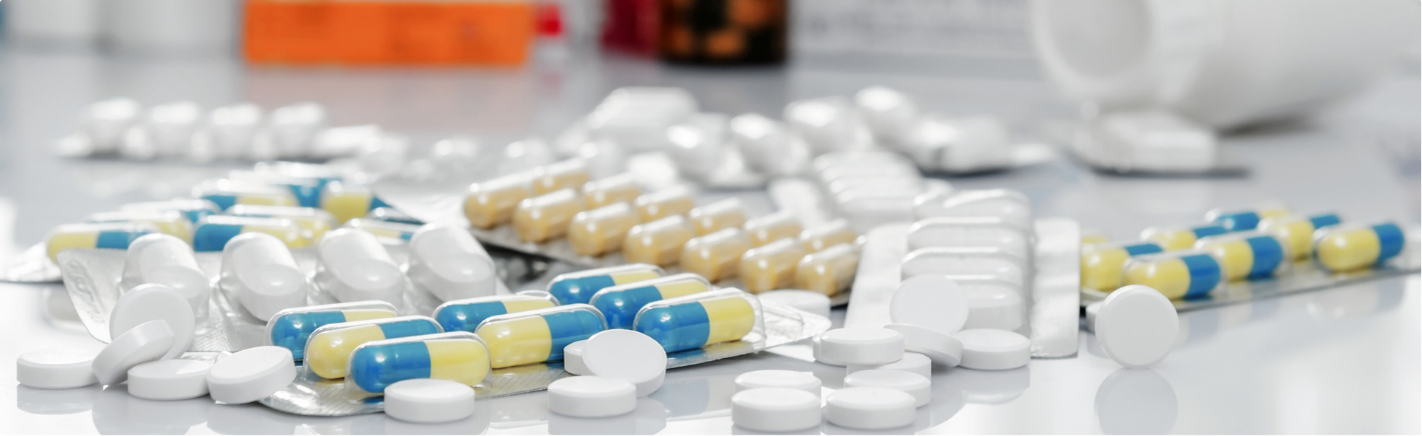
Prescription Opioids (Oxycodone, Hydrocodone, Morphine)
Prescription opioids are commonly misused because they reduce pain and emotional distress by activating opioid receptors in the brain and spinal cord.
Addiction dynamics:
- Often begins after surgery, injury, or chronic pain
- Dependence can develop even in people taking “normal” doses
- Escalation may happen slowly, until withdrawal appears
Treatment timeline insight:
Withdrawal from short-acting opioids often begins within 8–24 hours of last use, with the most intense symptoms lasting 4–10 days.
Treatment may include medical detox and evidence-based medications such as buprenorphine, methadone, or naltrexone, which reduce relapse and overdose risk.

Benzodiazepines (Xanax, Ativan, Klonopin)
Benzodiazepines are prescribed for anxiety, panic attacks, insomnia, and muscle tension, but they can create dependence surprisingly quickly. The Ashton Manual notes that physical dependence can develop within weeks or months, even at therapeutic doses.
Addiction dynamics:
- Often develops in people seeking calm, sleep, or control
- Rebound anxiety can be severe and mistaken for “worsening mental health”
- Sudden cessation can be medically dangerous
Treatment timeline insight:
Benzo recovery tends to require the most gradual timeline. Clinical best practice usually involves a slow, supervised taper rather than abrupt detox, because withdrawal can be prolonged and destabilizing.
Treatment often focuses on nervous system regulation, sleep restoration, and trauma-informed therapy alongside tapering.
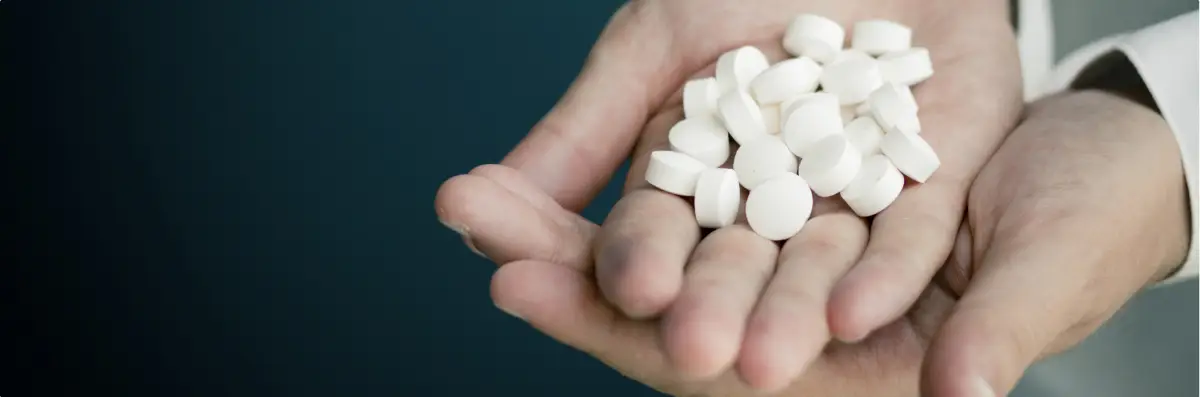
Prescription Stimulants (Adderall, Ritalin)
Prescription stimulants are used to treat ADHD and narcolepsy, but misuse can occur when someone chases performance, weight loss, or energy, especially under high demands.
Addiction dynamics:
- Often linked to productivity pressure and perfectionism
- People may not realize they’ve crossed into dependency until they crash
- Withdrawal commonly includes fatigue, depression, irritability, and cravings
Treatment timeline insight:
Stimulant withdrawal often begins within a day or two of stopping, and many people feel the worst symptoms during the first week. Most symptoms resolve within 1–2 weeks, though some individuals experience lingering mood effects for several weeks.
Treatment emphasizes sleep recovery, mood stabilization, psychotherapy, and rebuilding sustainable performance without chemical pressure.
What Defines Luxury Prescription Medication Addiction Treatment?
Luxury prescription medication treatment isn’t about indulgence, it’s about precision, privacy, and outcome-driven care. At Legacy Healing Center Los Angeles, this typically includes:
- Medical stabilization designed to reduce distress and risk
- Individualized planning based on the specific medication class and history
- Dual-diagnosis care for anxiety, depression, trauma, burnout, and insomnia
- Private, discreet environments for professionals and public-facing clients
- Holistic therapies that support nervous system repair and long-term resilience
This model helps clients heal without unnecessary exposure, stigma, or disruption.
When to Seek Prescription Medication Addiction Treatment
If you’ve increased your dose, run out early, felt unable to stop, experienced withdrawal symptoms, or found yourself hiding or rationalizing use, treatment is warranted. Many people wait until life becomes unmanageable, but prescription addiction often becomes dangerous long before it looks dramatic.
“The most important moment in treatment is when someone realizes: ‘I’m not weak, I’m dependent.’ That shift is everything. Because dependence can be treated. And the sooner we treat it, the more of your life we preserve.”
Dr. Ash Bhatt, Legacy Healing Center Chief Medical Officer
Luxury Prescription Medication Addiction Treatment at Legacy Healing Center Los Angeles
Legacy Healing Center Los Angeles provides discreet, upscale, evidence-based treatment for prescription medication addiction, designed for people who want real medical integrity without sacrificing privacy or comfort. Under the leadership of Dr. Ash Bhatt, we address the biology of dependence, the psychology of relief-seeking, and the real-life pressures that keep people stuck.
Recovery isn’t about being judged for needing help.
It’s about getting your mind, and your life, back.
You Deserve Exceptional Care
Let our team handle the details so you can focus on healing. We accept most major insurance plans and payment methods—reach out anytime for instant coverage verification.
"*" indicates required fields
Your information is kept private