
Luxury Street Drug Addiction Treatment in Los Angeles
Street drug addiction rarely begins with the intention to lose control. It often starts with curiosity, social connection, escape, or survival, then quietly evolves into something far more dangerous. Luxury street drug addiction treatment offers a private, medically advanced path to recovery for individuals who need discretion, structure, and evidence-based care designed for complex substance use patterns.


Jul 28, 2026
At Legacy Healing Center Los Angeles, we treat street drug addiction with clinical precision and deep respect for the individual behind the behavior. Our programs are designed by Dr. Ash Bhatt, a quintuple board-certified addiction expert, and built for people who want serious medical care in an environment that protects dignity, privacy, and long-term outcomes.
Street Drug Addiction: Private, Individualized Treatment in LA
Street drug addiction affects people from every background, students, professionals, artists, service workers, parents, and people navigating trauma or transition. Unlike prescription or alcohol dependence, street drug addiction often develops in environments shaped by availability, social influence, and risk-taking behavior.
Many people seeking luxury treatment are not reckless or irresponsible. They are often intelligent, driven, and adaptive, using substances initially to cope, connect, or enhance experience. Over time, however, street drugs change brain chemistry rapidly and unpredictably, especially due to inconsistent potency and contamination.
Legacy Healing Center Los Angeles provides:
- A discreet, confidential setting designed for high-responsibility lives
- Medically supervised detox and stabilization tailored to specific substances
- Dual-diagnosis care for trauma, anxiety, depression, burnout, and mood disorders
- Evidence-based therapies that address both addiction and its drivers
- Luxury-level comfort and privacy without compromising medical rigor
This page complements our opioid-focused resources by addressing non-prescription, illicit substances that carry unique risks and treatment considerations.
Understanding Street Drug Addiction
Street drug addiction refers to dependence on illicit substances that are not regulated, standardized, or medically supervised. These drugs often vary dramatically in strength and purity, increasing overdose risk and accelerating addiction.
What makes street drugs especially dangerous is unpredictability. The brain cannot regulate dosage when the substance itself is inconsistent. This leads to rapid tolerance, frequent redosing, and a higher likelihood of compulsive use.
Street drug addiction often develops faster than people expect, and recovery requires treatment plans that adapt to complex withdrawal patterns and psychological drivers.
Why Street Drug Addiction Develops Differently
Street drug addiction differs from alcohol or prescription medication addiction in several key ways:
Speed of escalation
Environmental
Reinforcement
Unpredictable chemistry
Shame and secrecy
“Street drugs don’t announce when the line is crossed. One day it’s a choice, the next day it’s gravity. And gravity doesn’t ask permission, it just pulls. Treatment is how we teach the brain how to stand upright again.”
Dr. Ash Bhatt, Legacy Healing Center Chief Medical Officer
The Progressive Cycle of Street Drug Addiction
Clinicians often see a recognizable pattern:
It begins with experimentation or social use, often framed as temporary or recreational. As tolerance builds, use becomes more frequent and intentional. Eventually, the substance becomes central to emotional regulation, identity, or survival. Withdrawal, crashes, or comedowns then drive continued use.
Luxury treatment interrupts this cycle through medical stabilization, psychological restructuring, and long-term relapse prevention strategies designed for real-world reintegration.
The 3 Most Abused Street Drugs (and How Treatment Timelines Differ)
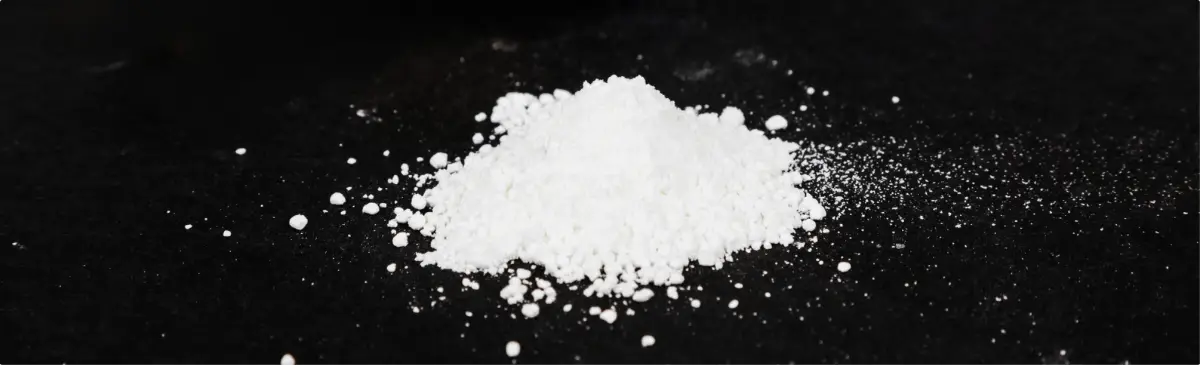
Cocaine and Crack Cocaine
Cocaine is a powerful stimulant associated with energy, confidence, and euphoria. Crack cocaine, a smokable form, produces faster and more intense effects, increasing addiction risk.
Addiction dynamics:
- Strong psychological dependence
- Rapid reward-crash cycle encourages repeated use
- Often associated with binge patterns
Treatment timeline insight:
Withdrawal typically begins within hours to a day after stopping and may include depression, fatigue, irritability, and intense cravings. Acute symptoms often peak within the first 3–5 days, while psychological cravings may persist longer. Treatment focuses on mood stabilization, sleep restoration, and behavioral therapy rather than medical detox.
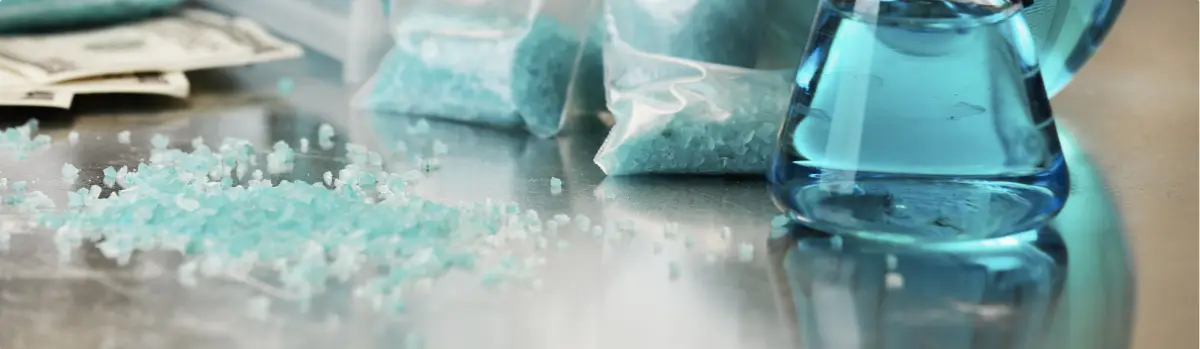
Methamphetamine
Methamphetamine is one of the most neurologically damaging street drugs due to its long-lasting stimulation and severe impact on dopamine systems.
Addiction dynamics:
- Rapid tolerance and compulsive use
- Significant impact on mood, cognition, and impulse control
- High rates of paranoia, anxiety, and emotional instability
Treatment timeline insight:
Withdrawal often begins within 24 hours and can last 1–2 weeks, with lingering depression, anhedonia, and fatigue lasting longer. Treatment emphasizes extended stabilization, nutritional repair, sleep regulation, and long-term therapy to support brain recovery.
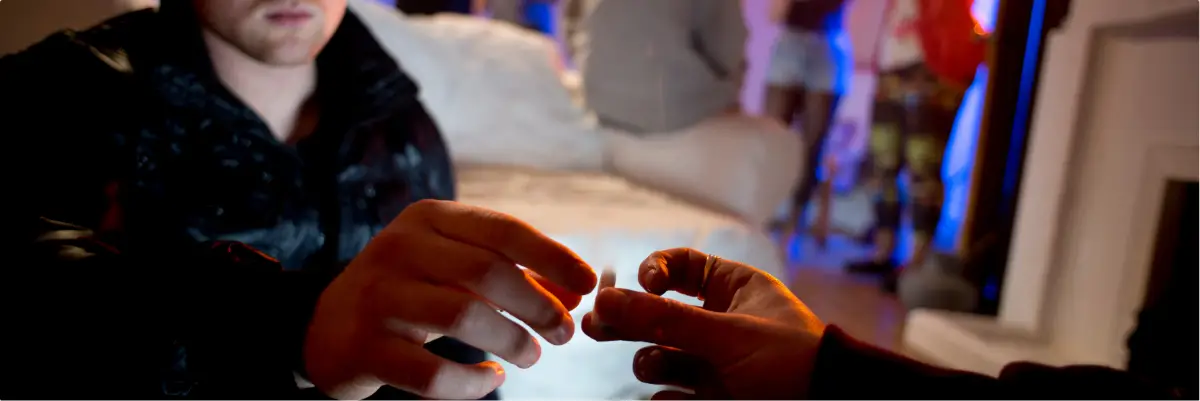
MDMA (Ecstasy/Molly) and Club Drugs
MDMA and related club drugs are often perceived as “safe” or “social” substances, particularly in nightlife or festival settings. However, repeated use can disrupt serotonin systems and emotional regulation.
Addiction dynamics:
- Psychological reliance on enhanced connection or mood
- Often combined with other substances
- Gradual emotional flattening between uses
Treatment timeline insight:
Withdrawal may be subtle but includes low mood, anxiety, irritability, and sleep disruption for several days to weeks. Treatment focuses on emotional regulation, trauma-informed therapy, and rebuilding natural reward pathways.
What Defines Luxury Street Drug Addiction Treatment?
Luxury street drug treatment is not about comfort alone, it’s about clinical adaptability, privacy, and individualized care. At Legacy Healing Center Los Angeles, this includes:
- Substance-specific detox and stabilization protocols
- Personalized treatment planning based on use patterns and mental health needs
- Dual-diagnosis therapy for trauma, anxiety, depression, and burnout
- Private, discreet environments designed for professionals and public-facing clients
- Holistic therapies that support nervous system repair and resilience
This approach allows clients to recover without unnecessary exposure or disruption to their lives.
When to Seek Street Drug Addiction Treatment
If substance use has escalated, become secretive, affected mood or performance, or feels difficult to stop, even if consequences aren’t yet severe, treatment is warranted. Street drug addiction often becomes dangerous before it becomes obvious.
Early intervention preserves brain health, relationships, careers, and long-term wellbeing.
“People don’t come to treatment because they’re broken. They come because they’re tired of carrying something alone that was never meant to be carried alone.”
Dr. Ash Bhatt, Legacy Healing Center Chief Medical Officer
Luxury Street Drug Addiction Treatment at Legacy Healing Center Los Angeles
Legacy Healing Center Los Angeles offers discreet, upscale, evidence-based treatment for street drug addiction, designed for individuals who want real medical care without compromise. Under the leadership of Dr. Ash Bhatt, our programs address the biology of addiction, the psychology of escape, and the realities of modern life.
Recovery isn’t about erasing your past.
It’s about reclaiming your future, with clarity, stability, and control.
You Deserve Exceptional Care
Let our team handle the details so you can focus on healing. We accept most major insurance plans and payment methods—reach out anytime for instant coverage verification.
"*" indicates required fields
Your information is kept private